

The media landscape is changing at pace – and keeping up with the latest developments and moves will give every comms expert an advantage over their rivals. Every week take a look at the media business from mainstream and ‘legacy’ media to cutting edge tech and the latest trends and developments – and how you can use that know-how.
A bit of nostalgia and a bit of politics today.
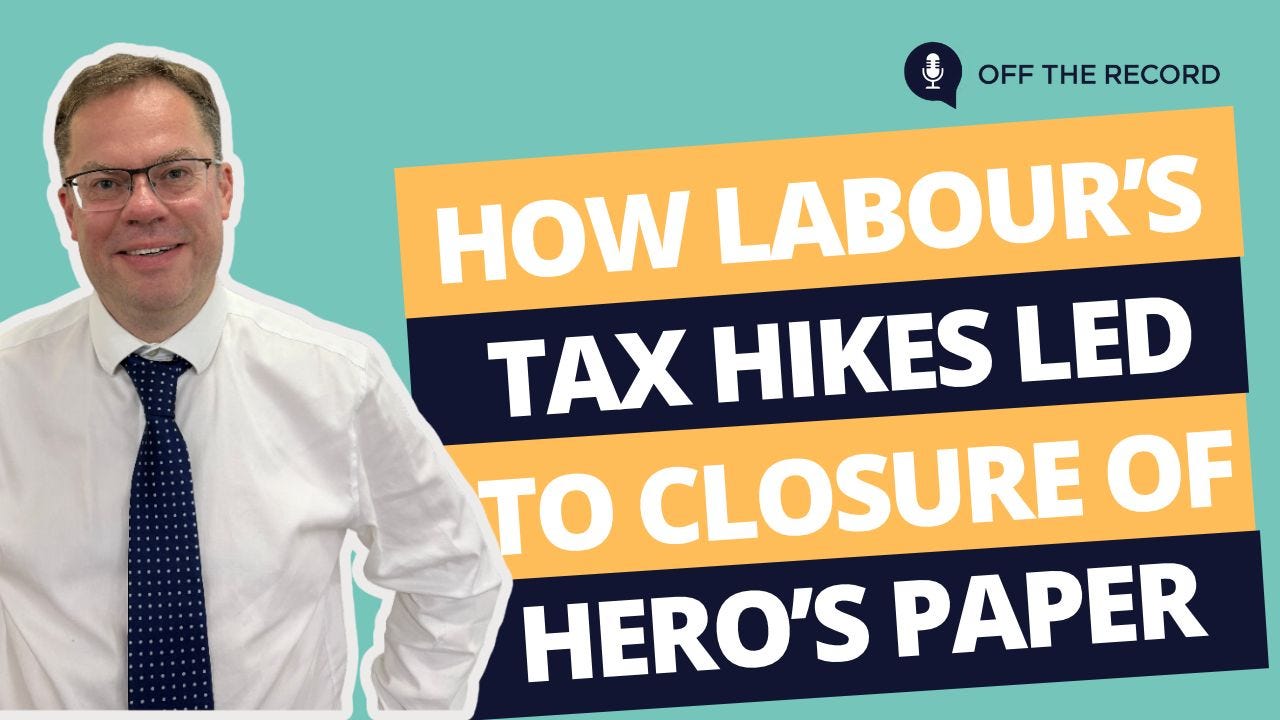
The sadness comes from the closure of the Tameside Reporter, a local paper that has served the people of Greater Manchester for 171 years.
Its patch to the east of Manchester takes in nine towns, including Hyde, Denton and Stalybridge. And if you’re not from the area, I imagine it doesn’t mean too much to you.
But the Tameside Reporter was the first home to one of my journalistic heroes and inspirations, Harold Evans.
He went on to make his name at the Sunday Times. And although I was young (we’re talking late 1970s here), I loved the paper and the investigations team he set up, Insight. I think it appealed to my sense of adventure to do these big probes and unearth scandals.
Like us, did you think Andy Burnham’s conference speech might be the most significant for years? In that case you should be at our Off The Record live event where we have a stellar line up to talk about all things Budget - as well as how to secure political coverage. Discounted tickets are now available for the event here.
On 15 October in London, we’ll be bringing together senior political journalists and Westminster insiders to talk pitching, building relationships, the Budget and how “the lobby” works… followed by drinks, nibbles and networking.
Grab your discounted ticket here. Tickets are selling fast, so don’t miss out.
When I was a bit older, I looked into the details of some of those stories and campaigns. The outing of Kim Philby as part of the Cambridge spy ring and the campaign for the victims of thalidomide to win compensation remain some of the best journalism I’ve ever seen, even 50 years later.
When I was training to be a journalist, I even hunted down his five-volume editing and design manuals. They were from the early seventies and out of print but I managed to get hold of a set. They are beautifully written and remain on my bookshelf.
So, it’s sad to see the closure of the paper that set Evans, who came from a very humble, working-class background, on his way. His autobiography My Paper Chase, which was published in 2009, is well worth a read. Ironically, its subtitle is True Stories of Vanished Times.
There’s a wider point here too. Press Gazette estimates that at least 293 local papers have stopped the presses in the last 20 years. It’s bad for democracy and creates news deserts (which the government has at least started to address) which leave whole communities uninformed and ignorant of what is happening in their neighbourhoods.
There’s lots in play here. Changing ways of consuming news, the struggle with Google and AI overviews.
But Chris Bird, who took over the Reporter and other media after the last owner went bust, adds a new one. The effect of taxes on local advertisers – still the lifeblood of print products, particularly when sales are falling.
He told Press Gazette rising print and operating costs, together with continued pressure on print advertising revenue, had made the Reporter unsustainable.
“Local businesses right now on the high street are under huge pressure because of tax, National Insurance and business rates. They need to find ways of saving money, and local advertisers cannot be expected to advertise everywhere,” he said.
“Tameside has taken a real hit. A walk around the high streets in its nine towns shows that retailers and other hardworking businesses are having a tough time. The impact is clear.”
Mr Burnham has hinted at the need to help business and that the increase in national insurance contributions imposed by Rachel Reeves was a mistake. With the budget just a few weeks away it will be worth watching to see if changes are made that boost business and the economy – and maybe encourage firms to advertise a bit more.
Enough politics!
Let me finish with a last bit of nostalgia.
It’s hard to make modern-day comparisons with Jeffrey Archer, who was the son of a journalist and who died at the weekend. Multi-millionaire author, Tory politician, friend of the rich and famous, art collector and bon viveur. Host of Krug champagne and shepherd’s pie soirees at his penthouse suite just down from Parliament. But a serial liar and rogue.
His 1987 libel case against the Daily Star, which had accused him of paying off a prostitute he was seeing, was the media law case of the century. He won, despite prostitute Monica Coughlan giving evidence, after his wife told the court her Jeffrey would never stray. The judge asked the jury how could anyone disbelieve the “fragrant” Mary Archer? And Archer walked away with £500,000.
Archer v Daily Star is still the go to case study for the dangers of journalists relying on the truth defence.
The verdict was a disaster for the Star – its editor Lloyd Turner was sacked six weeks later. But the story doesn’t end there. A few years later it emerged Archer had lied about his alibi in court. He was jailed for perjury, his reputation sullied forever.
What did he do? Wrote a bestselling book about it of course. Rest in peace Jeffrey, a man whose own life was even more engrossing than his novels.
Remember folks, keep this just between us! We’re off the record.
Thank you for reading Off the Record! We want to make our newsletter as helpful as we can, so please get in contact if there’s anything specific you want to see.
We offer media masterclasses for brands/PRs/organisations looking to sharpen their storytelling, improve their relationships with journalists and boost their media coverage. If you’re interested, please email us at info@offtherecordmedia.co.uk