

The media landscape is changing at pace – and keeping up with the latest developments and moves will give every comms expert an advantage over their rivals. Every week take a look at the media business from mainstream and ‘legacy’ media to cutting edge tech and the latest trends and developments – and how you can use that know-how.
I have spent the last few days very much in two minds about today’s opinion piece.
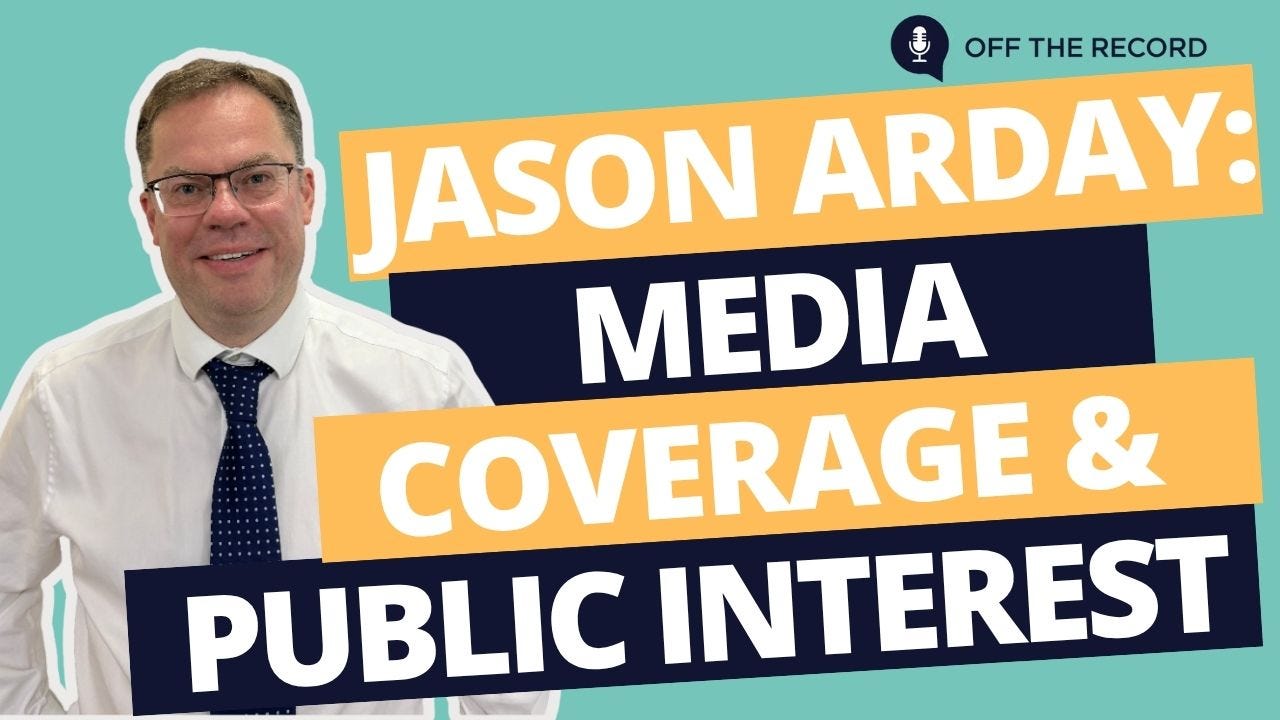
I want to address the death of Jason Arday, the Cambridge University professor who appears to have taken his own life after resigning his post amid extensive publicity and allegations.
I know tempers are running high – a look on social media shows the strength of feeling on all sides of the argument.
And I know you too will have views on the events of the last few weeks.
So, I’m a little hesitant to enter into the field – but I think I would be failing you if I didn’t pass on some thoughts and maybe a little context. I hope, whether you agree with me or not, you will take this in the spirit it is intended.
The extent of the coverage
I talked last week about silly season in August and the lack of serious news stories in the absence of courts and Parliament sitting. The Jason Arday tragedy shows the dark side of silly season, when stories can be all-consuming for the media. There are mixed interpretations of how many stories were done on Arday before his death – sometimes it can be hard to tell from cuttings services which are the same story in different editions of a paper or which are online stories that make their way into print in a very similar form.
But whatever the number, there is no doubting the very extensive and wide-ranging coverage of the allegations of plagiarism and deceits. I think if this story had broken at any other time of year, it would have seen far less coverage and for a shorter time span.
I suspect one of the other issues is that the story took a number of new twists, including allegations from people who knew him, his eventual resignation and claims about the validity of what Arday said in his autobiography.
Why have publishers been interested?
If you look at the publications that have given the story most coverage – The Times, The Telegraph, the Guardian, The Independent and The Mail – it is fair to say that in general terms issues around the governance and standards of higher education are of keen interest to their editors and their readers.
But this is also a significant cultural wars issue as well. Universities, perhaps more than any other institution, are dedicated to diversity, equality and inclusivity policies. And that is a political hot potato. You will have your own views on DEI policies, about their success and merits. But for many on the political right, it is one of the key battlegrounds.
Is there a genuine public interest here?
If someone is in a high-profile public role (and Cambridge University certainly made sure it was), is receiving taxpayer funded money, is teaching young people who are paying fees, is publishing a book about their life and times, all while facing various allegations of deceit and plagiarism, I think that is a genuine public interest.
It’s not as high a public interest as for a cabinet minister or someone involved in serious criminal activity, but there is a public interest in investigating those allegations.
Critics have argued that others who have falsified their CV or committed plagiarism have not had the same scrutiny. That may be so with academics, albeit they may have a lower profile (although a look through cuts will show The Times have done several stories about ropey professors). However, I think it is fair to say Rachel Reeves, who was accused of overstating her achievements in her CV, was given a long and very rough ride about those claims throughout her time as Chancellor.
It’s notable that left-wing publications, including the Guardian, Independent, the New York Times and Atlantic have also felt justified in addressing the claims.
Where the public interest in continuing stories specifically about Arday becomes harder to justify is after he resigned. By all means continue to question Cambridge’s recruitment policy and the DEI agenda – but it feels once he has stepped away, the public interest specifically around him lessens considerably.
Is the media racist?
You will not be surprised to know I would say it’s not. Claims that have been made along the lines that newsrooms are determined to attack everyone of colour, I would reject. But they do cover controversial areas (not least immigration in recent years) and mistakes are made. Too many mistakes? Yes probably and I’ve made my share in the past. And are newsrooms diverse and varied enough? Absolutely not.
At least there is now an effort to bring in people from communities who are often not part of the media, including working class families and underrepresented communities.
I also think it is important to state that it is perfectly legitimate to question DEI policy and not be racist.
Are there lessons to be learnt?
We have been here before. Caroline Flack’s suicide after being subject to extensive coverage ahead of a court case for assaulting her boyfriend. And I remember Ministry of Defence scientist David Kelly killing himself after being thrown into the public arena over claims that Iraq had chemical weapons which could be deployed within 45 minutes. He told a journalist that the claims were exaggerated and were put into a dossier at the insistence of the government. He died two days after giving evidence to a parliamentary intelligence committee.
Both are terribly tragic. Both have an element of public interest justification. Both saw mass coverage.
Being at the centre of that publicity storm, particularly when a social media pile on adds to the pain, can put intolerable pressure on people.
So yes, the media could do better. There should be an awareness of the volume of coverage and its suitability. And maybe a better way to determine someone’s vulnerability in the circumstances. It will be also interesting to see how the press regulator IPSO rules on the thousands of complaints that have been filed already (even if some are AI generated).
And in many areas the media is more responsible than it has been in the 35 plus years I have worked in it. For instance on suicide, the code of conduct states excessive detail of a method should not be reported. All publishers also reference the Samaritans helpline on self-harm and suicide stories.
But I think it is a fair question to ask, where do you draw the line? The Royal family are reportedly worried about the risk of the former Prince Andrew taking his own life because of the Epstein allegations. There is clearly a public interest in investigating those claims, although Andrew has never been convicted of any crime and denies any wrongdoing.
And regularly, defendants facing trial for a range of offences make the decision that suicide is better than the shame and publicity surrounding a conviction. There clearly is a public interest in the reporting of criminal cases but it is not without a human cost (interestingly in some countries, Germany being one, defendants are only identified by their first name and an initial).
Even if all the allegations against Arday are true, clearly he is very much at the lower end of the public interest spectrum. And whatever the rights and wrongs, and however blame is apportioned, his death is a tragedy.
Remember folks, keep this just between us! We’re off the record.
Thank you for reading Off the Record! We want to make our newsletter as helpful as we can, so please get in contact if there’s anything specific you want to see.
We offer media masterclasses for brands/PRs/organisations looking to sharpen their storytelling, improve their relationships with journalists and boost their media coverage. If you’re interested, please email us at info@offtherecordmedia.co.uk
Dan, this was a really thoughtful piece - thank you very much for sharing!