

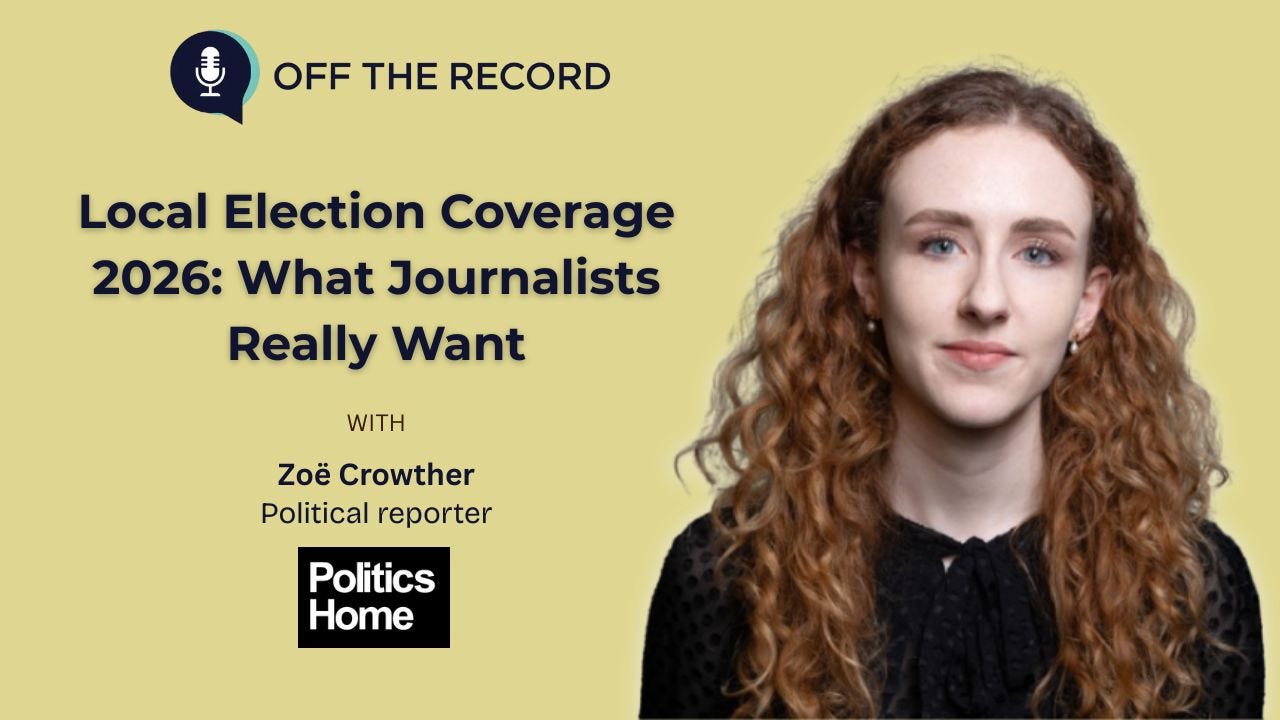
We’re going to dive into all things local elections but I must warn you that we have an Off the Record FIRST! Ladies and gentleman, this edition features a topic I didn’t quite envisage discussing when I started this newsletter for comms pros. So, let’s talk about… sex. Zoë is the journalist behind the “summer of sex” headlines that recently swept across the world’s media after she interviewed Labour MP Samantha Niblett. She shares the inside story behind the scoop.
But before all that…
Zoë, where do you think comms pros have the most opportunity to get involved in local election coverage? It depends on the publication and the journalist being pitched to, but from a PoliticsHome perspective, the strongest pitches are those that go beyond individual races and speak to wider trends. We’re particularly interested in insights on how campaigning and political communication are evolving, or exclusive data that reveals patterns across different parts of the country. Comms professionals who can offer clear, evidence-based analysis that fits into our existing reporting are far more likely to cut through.
What about the Welsh Senedd and Scottish elections? The same concepts apply. For those, I will be particularly interested in evidence-based analysis of any cross-party coalitions in the Senedd and Holyrood in the months ahead.
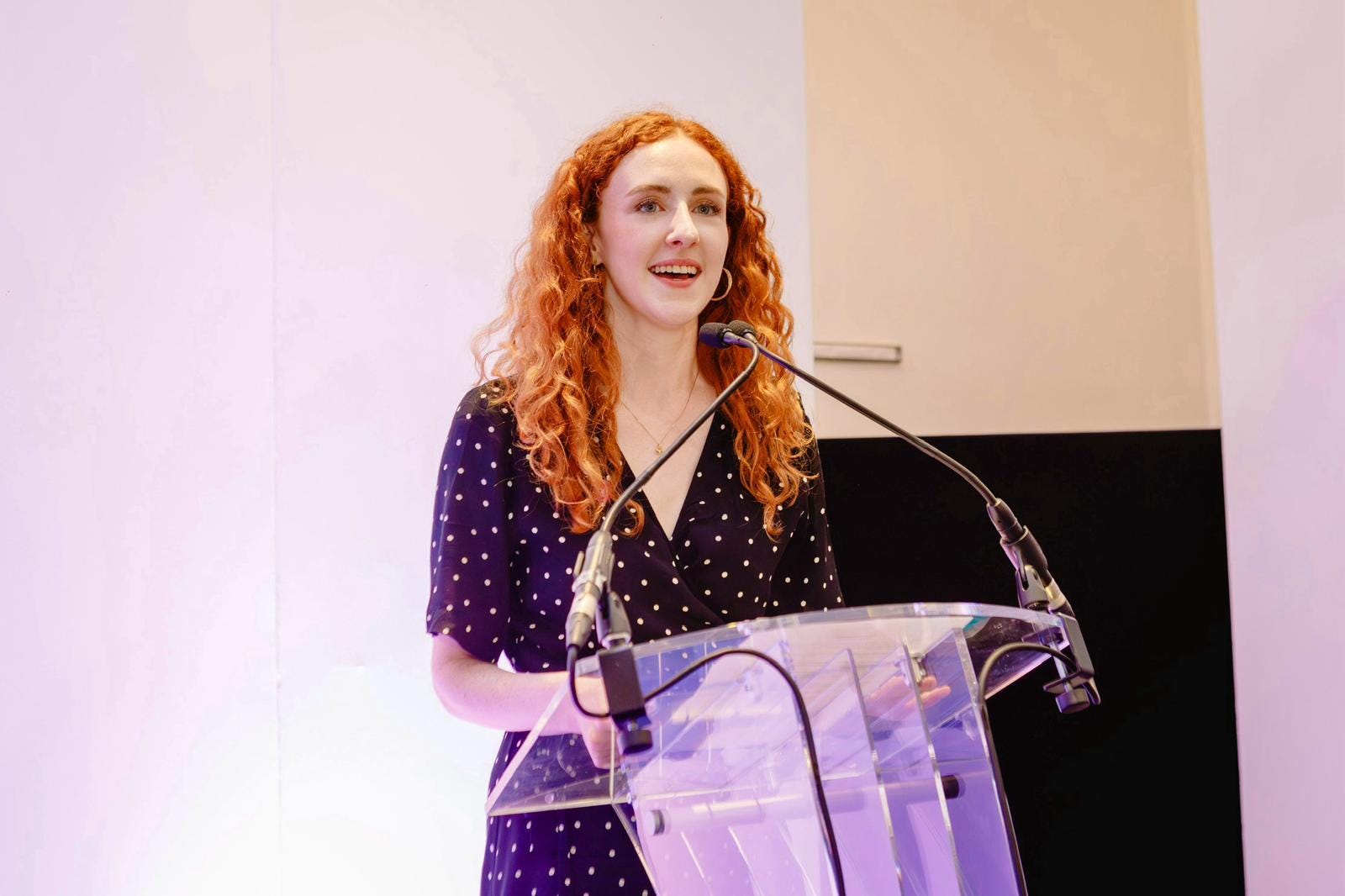
What words or phrases instantly raise red flags for you when you interview a politician? It’s always a red flag when a politician says the public “does not care” about a topic, or that it “never comes up on the doorstep”. While there can be a fair point about Westminster chasing stories that don’t always resonate with the electorate, this framing is often used by politicians to shut down scrutiny rather than engage with the question.
Certain phrases have become so overused that they have lost meaning. “Hardworking families” is a good example, as it’s vague and rarely defined. Likewise, “delivery” is repeated so often that it becomes an empty buzzword. Voters don’t care about “delivery” in the abstract: they care about tangible outcomes and how policies affect their lives.
If you could ban one PR tactic during elections, what would it be? Repetitive, non-personalised press releases and follow-ups, especially those labelled “exclusive” when they clearly are not. If something is genuinely newsworthy, it should stand on its own merits without inflated framing.
During elections, journalists’ inboxes are flooded, and releases that recycle lines about the Labour and Conservative vote collapsing do not tell us anything new. Similarly, offering a generic “local elections expert” does not draw me in – what in particular are they offering analysis about, and what are their conclusions?
How can comms pros get involved with local election coverage from May 8? At PoliticsHome, our focus after polling day will be on thoughtful, in-depth analysis of the results and what they mean, both immediately and in the weeks that follow. We prioritise quality over speed, so we’re often more receptive to pitches once the initial rush has passed.
The day or two after results begin to come in are extremely busy, so it’s helpful if comms professionals establish relationships in advance, before polling day, and clearly set out what insight or data they will be able to offer.
Is there anything else you want comms pros to know that I haven’t asked? I can probably count on one hand the number of times I’ve followed up on a press release that isn’t either directly and clearly personalised to my reporting or genuinely exclusive.
The most effective pitches come from people who have taken the time to understand my reporting – identifying themes in my work and offering a thoughtful way to develop that coverage further. I appreciate that this level of targeting takes time that many comms professionals are short on, and isn’t always scalable, but it does make a significant difference. And if in doubt, suggest a coffee, and I’ll usually try to make time.
Zoë, we’re going to pivot slightly. I usually do a quick fire round at this but I want to talk to you about sex. You’re the journalist who brought us “summer of sex” headlines. What was that interview like? Can you share the story behind the story please? I have a feeling this is going to follow me around for a while…
Here’s what actually happened. Labour MP Samantha Niblett got in touch to say she was launching a campaign on lifelong, inclusive sex education. Knowing she was likely speaking to other journalists, I asked her for a coffee straight away that same afternoon.
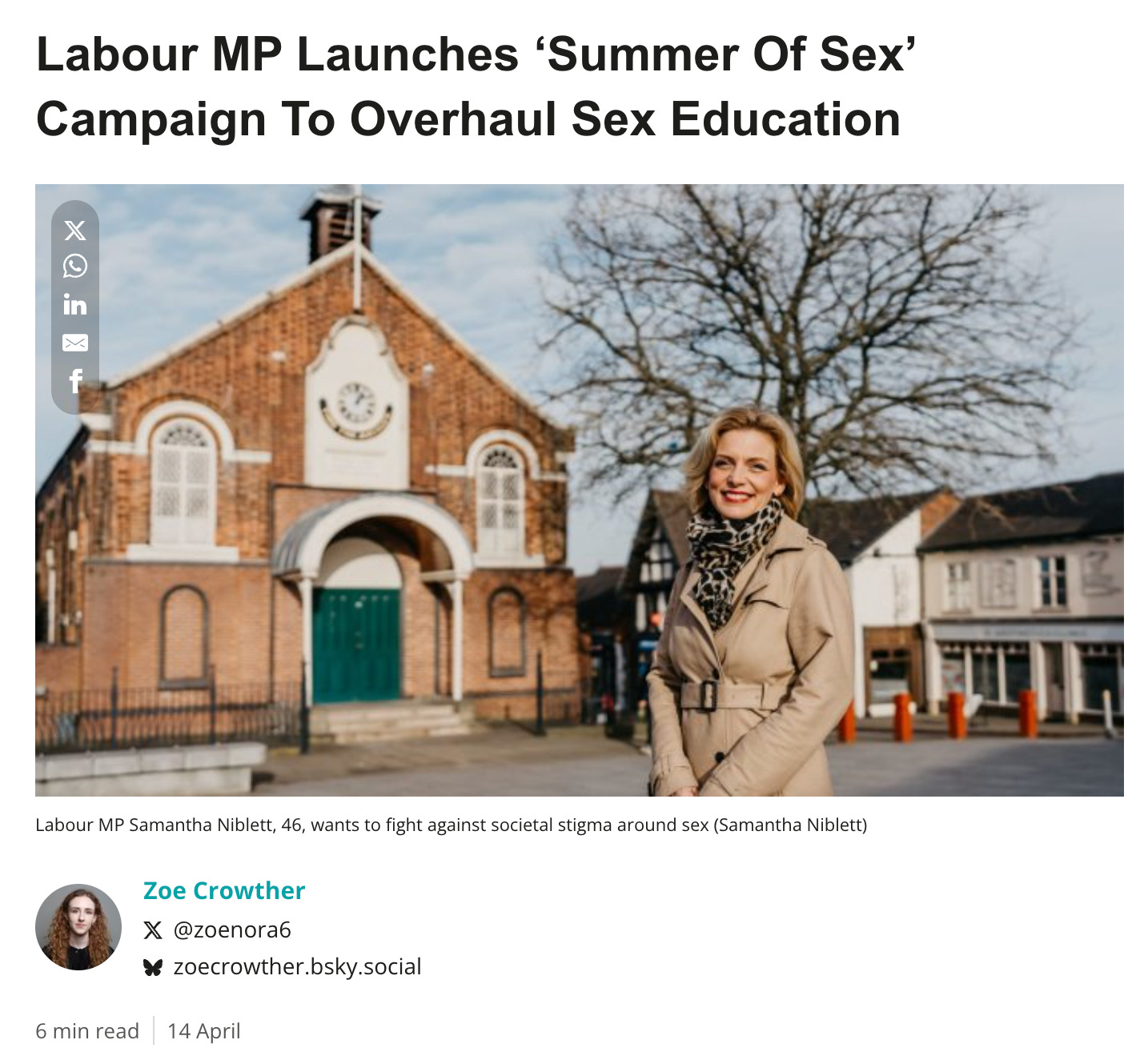
Backbench MP campaigns often struggle to cut through, but it struck me that if she was calling for a more open conversation about sex, she might be willing to speak about it in a genuinely open way herself. That’s quite rare in political interviews, so I wanted to lean into it and do something more candid and unfiltered.
Before we started, I checked that everything could be on the record, including more personal questions, and she agreed. What followed was a very honest, wide-ranging interview where she was willing to put a lot on the table. She pushed back other interviews to give me the exclusive, built on a relationship of trust developed over time and an understanding of PoliticsHome’s fair, non-partisan approach.
The result was a story that cut through in a way most backbench campaigns fail to do, and it drove conversation in Westminster and beyond for days.
Were you surprised by the response, or did you expect it? I had a sense it would go big while I was carrying out the interview. There are rare moments as a journalist where you can almost see the headlines forming in real time, and this was one of them.
That said, the scale and longevity of the response went beyond what I expected. If the campaign had been covered in a more conventional, guarded way, it wouldn’t have had the same impact. The honesty was what made it land.
I expected strong engagement on social media, but the fact that it sustained coverage for over a week, generated major opinion pieces, and was even picked up internationally was more than I could have hoped for. If the aim was to spark a national conversation, it certainly did that.
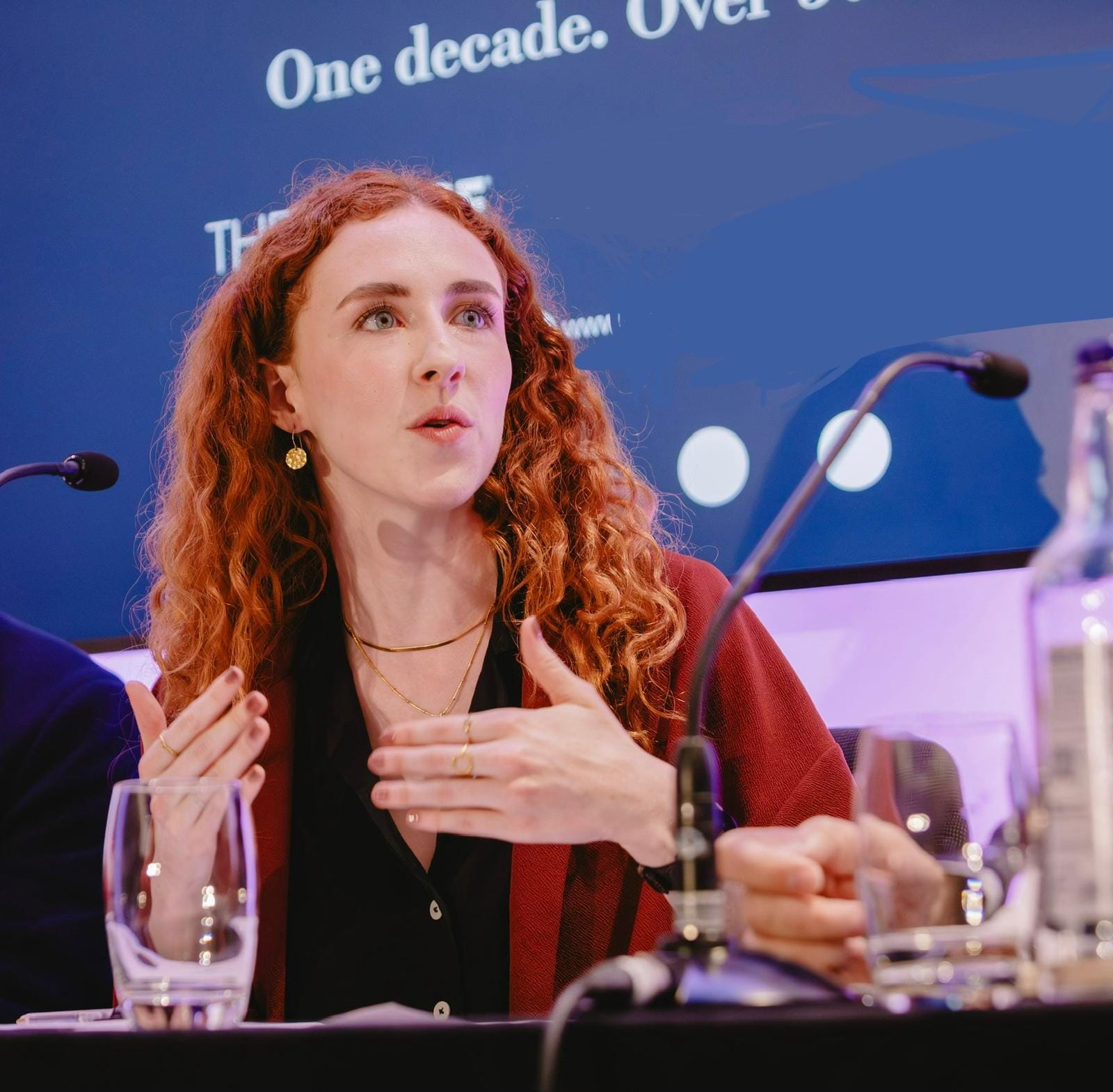
What’s the story you’re most proud of? One story I’m particularly proud of looked at how MPs were using AI last year. It started with a throwaway comment from an MP about playing “ChatGPT bingo” in his office, which led me to dig into the data. I analysed Hansard to track how often the Americanised phrase “I rise to speak” was being used in UK Parliament, and found a noticeable spike that coincided with the rise of generative AI tools. It was a simple idea, but it offered a fresh, evidence-based angle on a topic everyone was starting to talk about.
The story was picked up widely across newspapers, broadcasters and magazines, and even became a bit of a running joke in Westminster. It showed how a small, creative data point can open up a much bigger conversation.
How can comms pros engage with you more? Personalised, thoughtful pitches always stand out, but it also helps when comms professionals engage with my work more broadly, particularly on social media.
Journalists do spend a lot of time online (for our sins), and if you’re interacting with my reporting where I share it, it gives you a better sense of the themes I’m interested in and how I approach stories. It also helps build familiarity and trust over time.
And as ever, if there’s something specific you want to discuss, just ask for a call or a coffee.
Where can people find you? You can email me at zoe.crowther@politicshome.com or reach out via social media. I’m on LinkedIn, X, Bluesky, Instagram and TikTok.
Remember folks, keep this just between us! We’re off the record.
Thank you for reading Off the Record! We want to make our newsletter as helpful as we can, so please get in contact if there’s anything specific you want to see.
We offer media masterclasses for brands/PRs/organisations looking to sharpen their storytelling, improve their relationships with journalists and boost their media coverage. If you’re interested, please email us at info@offtherecordmedia.co.uk