

Ladies and gentleman, I am delighted to introduce you all to Sky News’ North of England correspondent Shingi Mararike.
We met almost a decade ago, back when I sat beside him during my first-ever work experience at the Sunday Times. I remember being struck by how effortlessly he seemed to be thriving in a national newsroom despite being a cub reporter and, most importantly, how generous he was with his time. He explained the inner workings of the paper, answered my questions and made a nervous newbie feel like she belonged during her short stint at the title.
I think Shingi’s a role model for journalists young and old… a reminder of what the best of our industry looks like.
So, Shingi, what turns a regional story into something you’d fight for airtime on a national broadcaster? For a story to become more than just a regional one, you’d need to place it in the national picture. So I’d say ask yourselves questions like: Is what you’re pitching the first of its kind in the UK? Do you have stats and data that make it stand out in the national picture? Does it fit with a subject or issue of national interest?
Once you’ve done that, you need to think about the visual elements. At Sky News, our approach to the news is more often than not a video first one, so alongside the team I work with, I’m always thinking about what and how we might film. Can you set something up that is engaging to watch, not just read? Pitching something with no thought about the visual element won’t get you very far in broadcast news, especially when competing with not just national, but global news too.
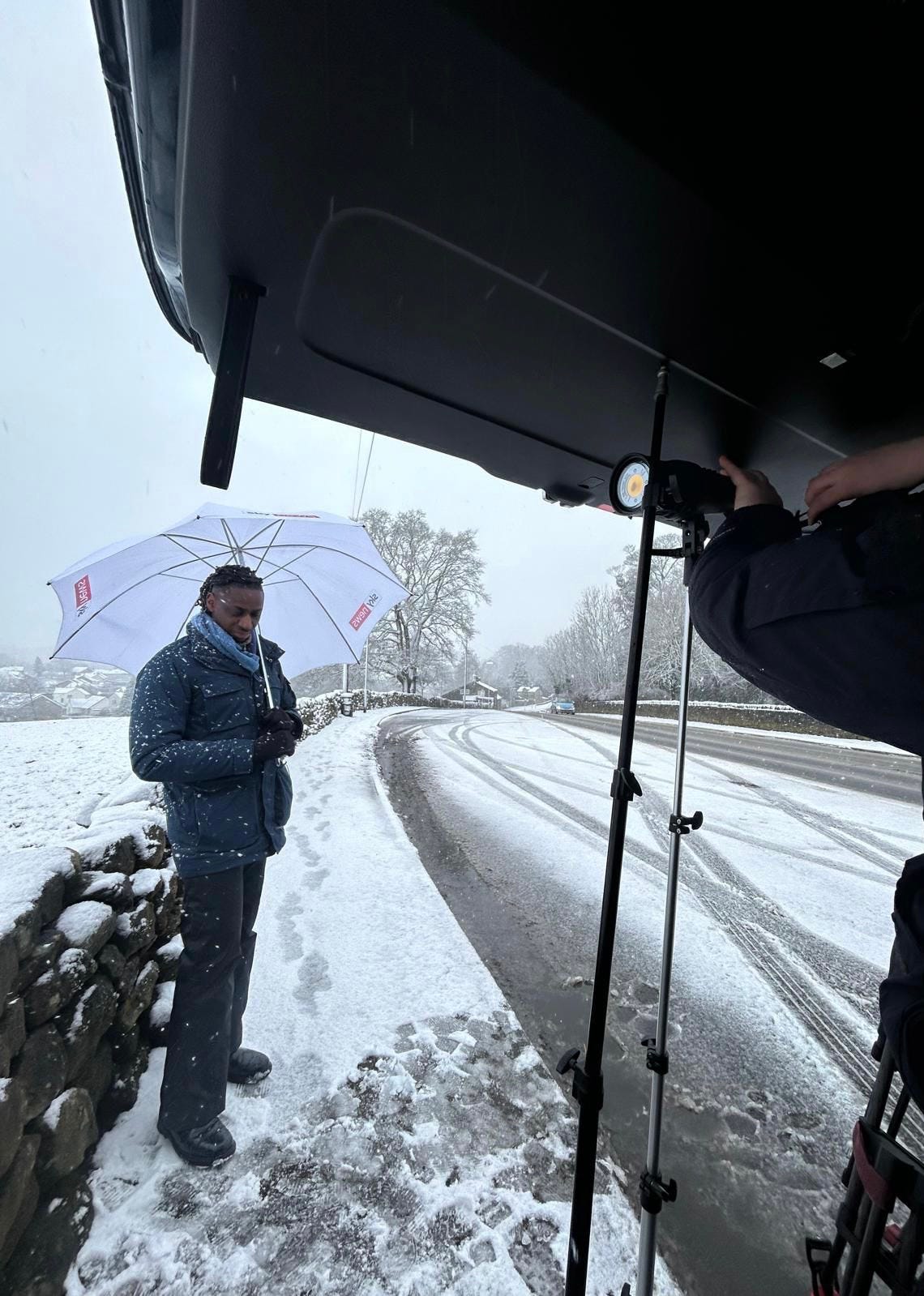
What happens to a story internally once you pitch it? I work within the North of England news team, which consists of three other reporters as well as a North of England Producer Ella Griffith and our North of England News Editor Steph Oliver. So first of all, I would usually have a conversation with the producer and news editor about the story. If the team thinks it could work well across all the Sky News platforms, we’ll then pitch it to the planning team in London who will then commission the story and maybe even give us a rough date for when it will go out on Sky News platforms. We then go and do the filming and usually the editing of the piece too. We’ll send it in, and it’s then watched back at base. Depending on the story, there can sometimes be tweaks we might need to make, based on editorial and sometimes legal feedback. Once those are done, the pieces run.
For an on-the-day story, this process takes place with much more speed. Rather than the planning team, we’ll be liaising with the newsdesk who are helping co-ordinate our coverage on the day.
How do you like to be pitched? What stories are you particularly interested in at the moment? I like a concise email. Tell me what the story is, when we can film it, what we’d be filming and why it matters to a national audience. But sending me a pitch on another platform can be eye-catching too. For example, you can pitch to me on LinkedIn, or even on my Instagram, which is linked to a lot of my work too. My handle there is @ShingiMararike.
At the moment, I’m interested in social affairs stories in the north of England, those could be about inequalities or just some of the wider issues the region is facing and what they mean for the rest of the country. However, the beauty of my brief is that as a generalist, I can and will do lots more than that- from arts and culture, to sport. As one of our only reporters still clinging to his 20’s (just about) I also like reporting on the unique challenges this generation of young people are facing.
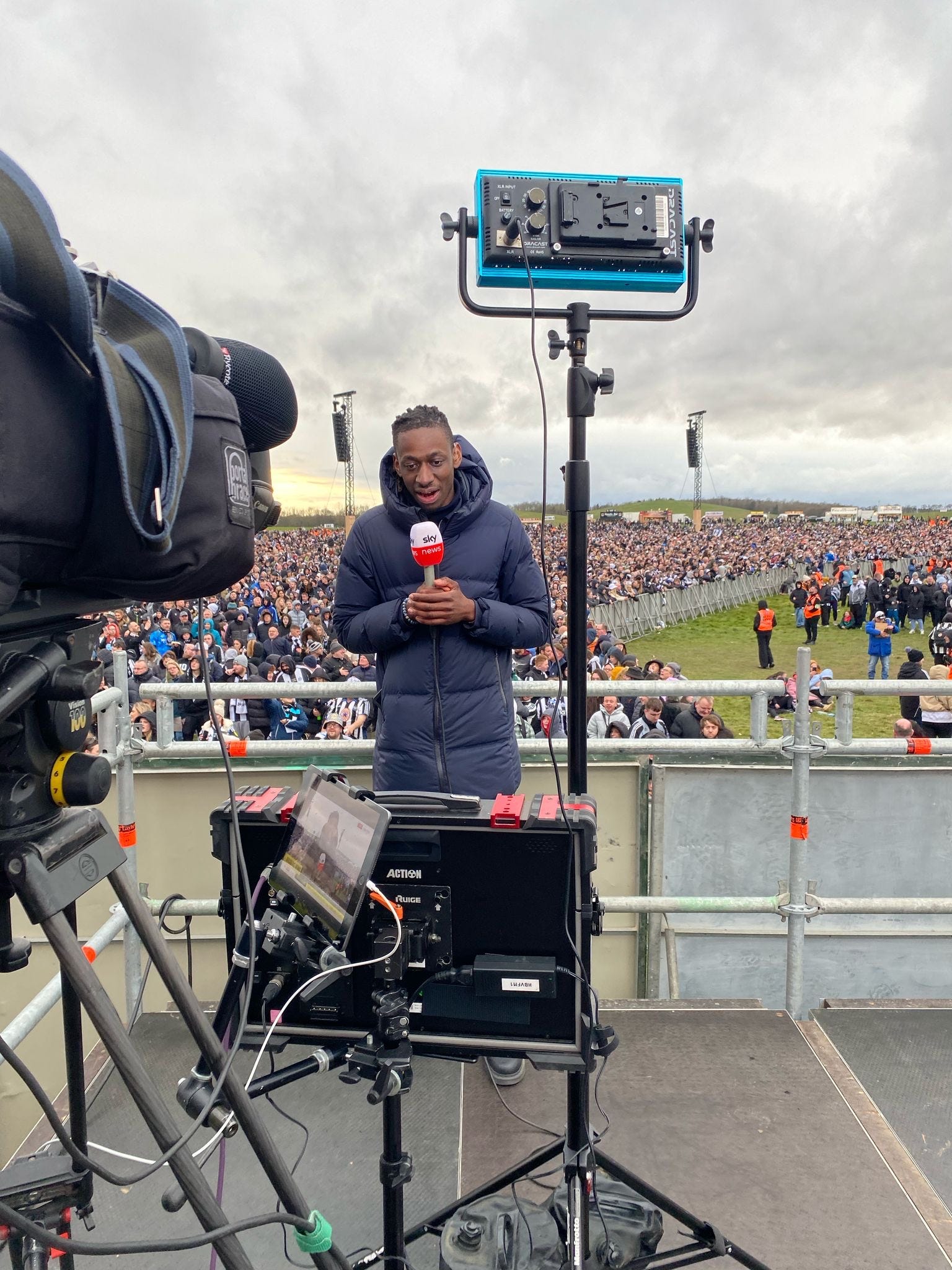
You’ve been a journalist at both a newspaper and a broadcaster, what’s the biggest difference in terms of how you engage with PRs/comms people? In my current role I spend much more time on the road, in a BIG patch. I am based in Leeds and technically cover an area from the top of Lincolnshire to the Scottish border, often travelling to the North West a lot too.
Whereas when I was a reporter at The Sunday Times, I was in the office more often. On a basic level this means when things are busy, I don’t always have time to read emails. It also means someone pitching me about a story will need to take into account how long it might take for me to get to a case study they might have set up in Liverpool, Newcastle or somewhere even further afield. So much more of my job is about logistics.
Another big difference is the fact my role at Sky sits within more of a team dynamic. There are very few stories I’d do without the help of another person, be that a camera operator or the producers I work with, both in the north and back at base in London. So knowing how the team works and having their contacts, or at least knowing who they are can also be useful to a PR. Arguably much more useful than knowing me!
Quick fire:
One thing you think comms pros should do more of? Send pitches that feel personalised and/or targeted to the reporter if you can.
Any other top tips? Build relationships with reporters, get to know us! Let’s have a call or meet up.
What’s the best way to contact you? LinkedIn on email at shingi.mararike@sky.uk or Instagram
Remember folks, keep this just between us! We're off the record.
Thank you for reading Off the Record! We want to make our newsletter as helpful as we can, so please get in contact if there’s anything specific you want to see.
We offer media masterclasses for brands/PRs/organisations looking to sharpen their storytelling, improve their relationships with journalists and boost their media coverage. If you’re interested, please email us at info@offtherecordmedia.co.uk