

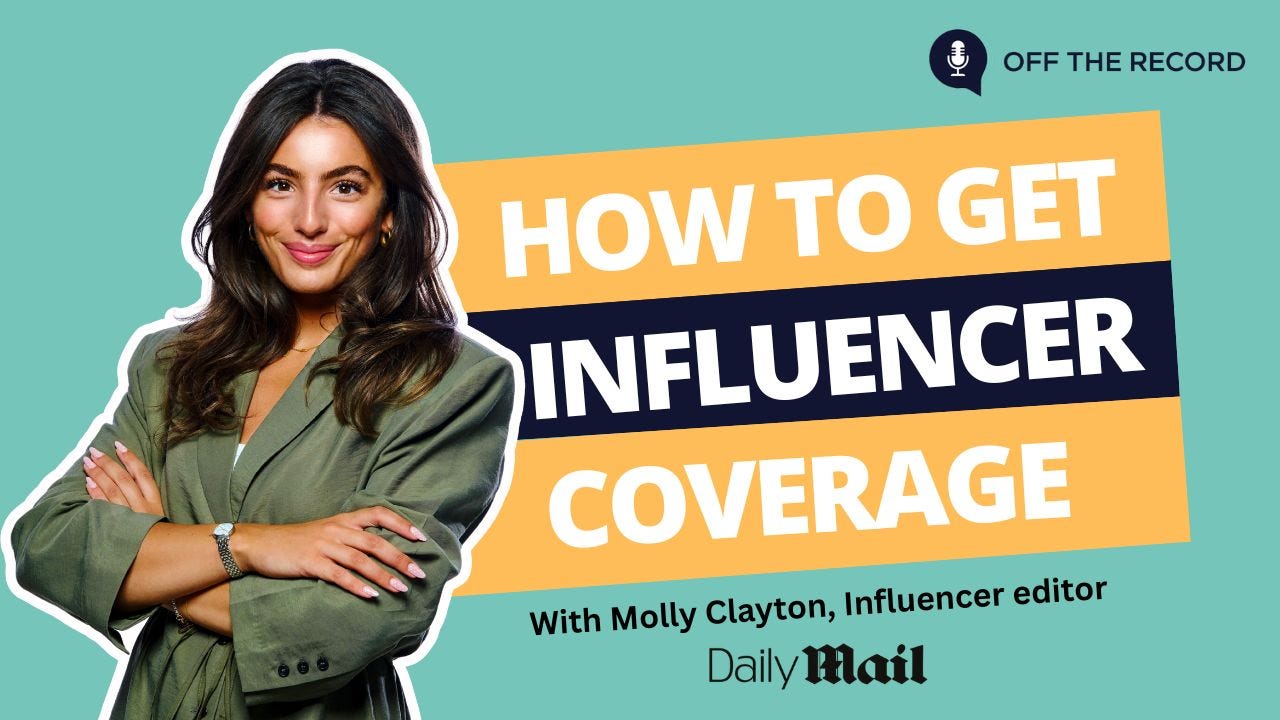
It brings me great pleasure to hand the reins of today’s edition to Molly Clayton, influencer editor at the Daily Mail, Mail Online and Mail on Sunday.
Molly, who is the first person to have such a title at any of the UK’s national papers, has a front-row seat to the rapidly changing world of digital fame.
So, Molly, what does your role allow you to cover that traditional showbiz reporting perhaps didn’t? My role as influencer editor is the first of its kind at a national newspaper, which is incredibly exciting. I recognised that the entertainment landscape has changed dramatically, and this role reflects that shift. Having spent three years as a Showbiz Correspondent, I saw first-hand how premieres, fashion events and red carpets evolved. Increasingly, the guest lists weren’t made up solely of actors, musicians and TV stars – they were filled with influencers who were drawing just as much attention, if not more. These creators have built hugely loyal audiences across platforms like TikTok, Instagram and YouTube. Millions of people follow their lives every day, take their recommendations seriously and are genuinely invested in what they do. Traditional showbiz reporting understandably focused on established celebrities such as Kate Moss or Brad Pitt. My role allows us to tell the stories of today’s digital stars, whose influence on culture, fashion, beauty and consumer behaviour is just as significant, while also holding them to the same level of scrutiny and journalistic standards as any other public figure.
What are the biggest mistakes brands and PRs make when trying to get influencer coverage? One of the biggest misconceptions is that simply attaching a well-known influencer to a campaign is enough to make it newsworthy. While having recognisable talent certainly helps, readers are looking for something they can’t already see on Instagram or TikTok. We need a genuine story, whether that’s an exclusive announcement, an interesting angle or behind-the-scenes access that adds value. Another mistake is treating influencer coverage as if it’s just a press release. Journalists still need the same access we’d expect for any other interview or feature. That means high-quality photography, time with the talent and the opportunity to ask our own questions rather than relying on pre-approved quotes. The more exclusive the access, the stronger the story. Brands and PRs who understand that collaboration tends to result in much better coverage, because it allows us to produce original journalism rather than simply republishing promotional material.
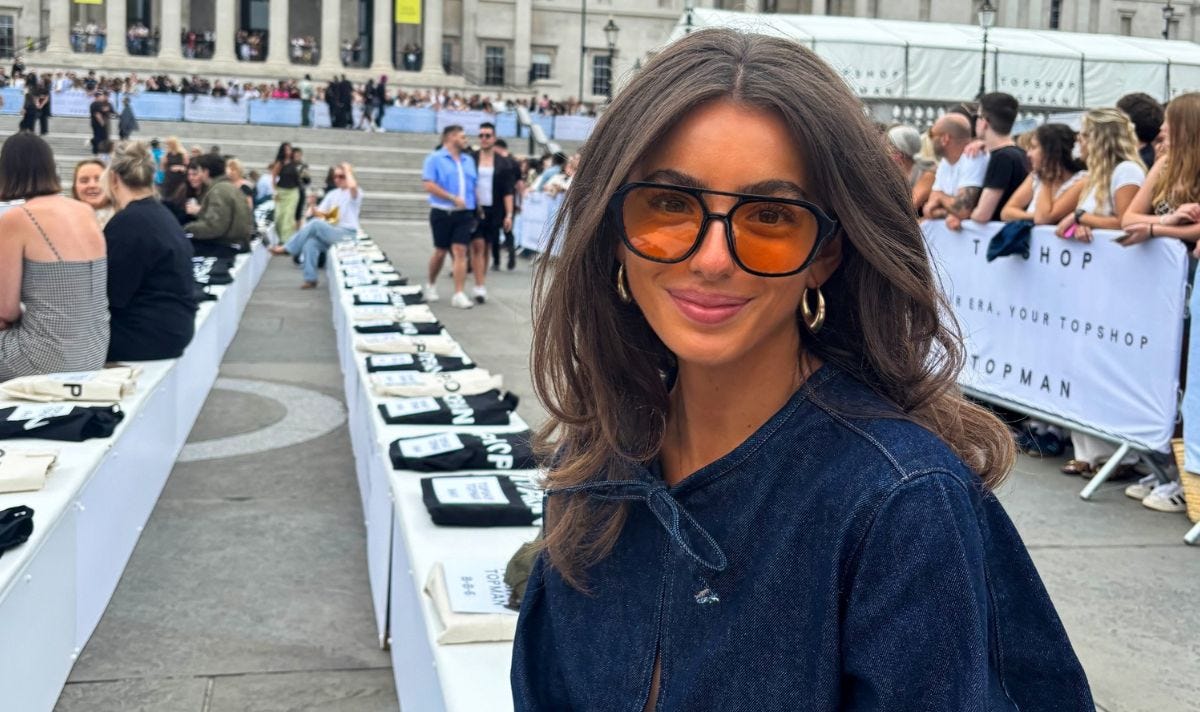
You don’t just write. You also create videos on platforms like TikTok. Talk me through the process of a story and how you decide what platforms to share it on? Creating content for social media has become a huge part of my role. Wherever possible, I produce a video to accompany the stories I write because it’s one of the most effective ways of reaching the audience I’m reporting on. That said, it can be challenging to balance both. Breaking and writing an exclusive is already a high-pressure process, and once the story is live, I then have to script, film, edit and publish a video, often within a very short timeframe. There are definitely days when it’s exhausting, particularly as putting yourself on camera can open you up to criticism online. However, the results make it worthwhile. I’ve seen countless examples where a TikTok or Instagram video has significantly increased page views, subscriptions and engagement with a story. If a story is trending on TikTok, for example, it’s a chance to join that discussion by adding original reporting, context and exclusive information that audiences won’t have seen elsewhere.
What’s the best pitch you’ve received recently, and what made it so good? The pitches that always stand out are those offering genuine access to influencers who rarely give interviews or address the topics everyone is talking about. Too often, creators can build enormous audiences without ever answering the difficult questions their followers are asking. So when a PR offers an interview with the understanding that nothing meaningful is off limits, it immediately grabs my attention. The best pitches aren’t just promoting a product or campaign, they’re offering the chance to tell a compelling story.
As influencer editor, what’s something PRs might think matters more than it actually does? One common misconception is that an influencer has to be a household name before they’ll interest a national newspaper. That’s simply not the case. Some of the stories that perform best are about creators many people in traditional media have never heard of. What matters is whether they have an engaged audience, an interesting story and genuine influence within their community. I’m still learning every day because the creator economy evolves so quickly. But whether someone has 5,000 followers or 500,000, those are thousands of people who actively choose to watch, trust and engage with their content. That’s incredibly valuable.
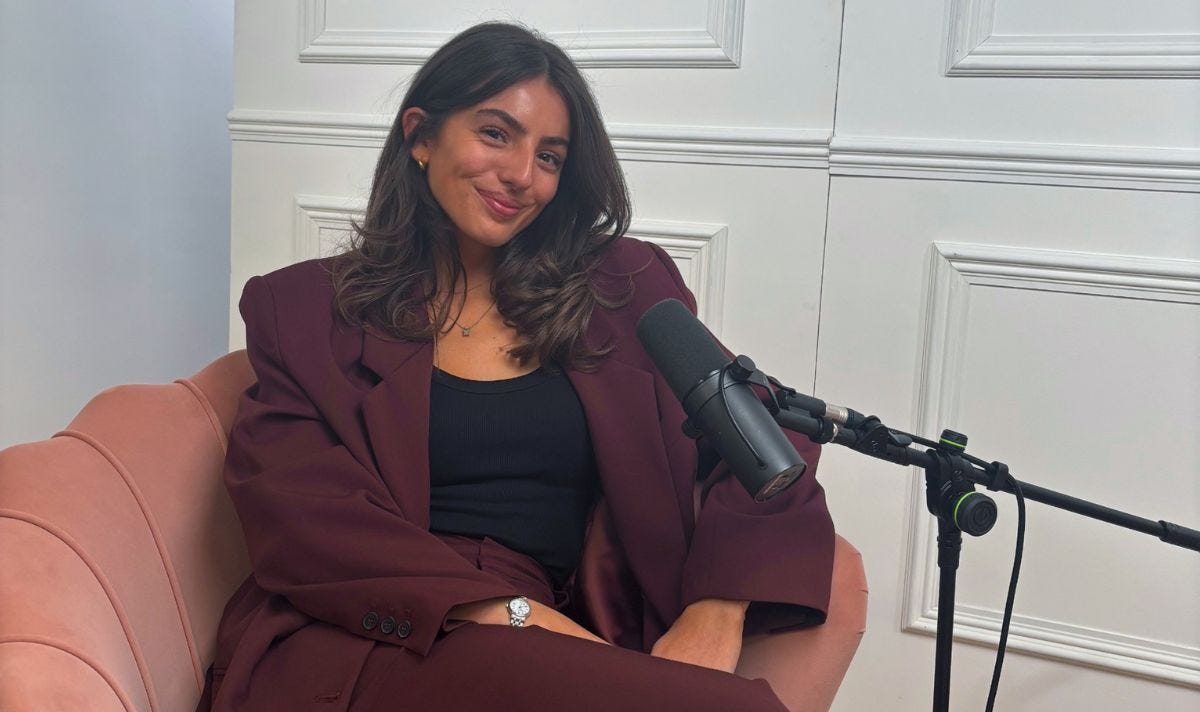
Are you still interested in traditional celebrity stories? When does an influencer become a celebrity? Is that then no longer your beat? Absolutely. I still love traditional celebrity reporting and always will. I sit within the amazing Showbiz team, so I continue to cover actors, musicians and TV personalities alongside my work as influencer editor. The difference is that my role has expanded to reflect how entertainment and fame have evolved. The line between influencer and celebrity is becoming increasingly blurred. Creators like Molly-Mae Hague, Olivia Attwood and Maura Higgins all built huge audiences online before becoming household names through television, presenting roles, brand partnerships and mainstream media appearances. Once someone reaches that level, they’re often both an influencer and a celebrity rather than one or the other. Fame looks very different today than it did a decade ago, and my role allows me to follow that evolution wherever it leads.
Quick fire time...
Are you interested in influencers before they become household names? Yes I am, always. Any influencer can be a household name, just depends on the household.
One influencer you’d swap jobs with for a day? Great question. Grace Beverley, I love her, her businesses and brands - she is the ultimate Girl Boss.
Best thing about being an influencer editor? Shaping a brand new beat and being at the forefront of the media landscape changing.
First thing you check in the morning out of these two: TikTok or Instagram?
Instagram. I am an older Gen Z, nearly a millennial, so Instagram has always been my go to.
How can people contact you? Email – molly.clayton@dailymail.co.uk, on Instagram and TikTok.
Remember folks, keep this just between us! We’re off the record.
Thank you for reading Off the Record! We want to make our newsletter as helpful as we can, so please get in contact if there’s anything specific you want to see.
We offer media masterclasses for brands/PRs/organisations looking to sharpen their storytelling, improve their relationships with journalists and boost their media coverage. If you’re interested, please email us at info@offtherecordmedia.co.uk